Last-mile delivery is the final step in the shipping process, where a package moves from a distribution hub to the customer’s doorstep. It plays a critical role in e-commerce, directly influencing customer satisfaction and retention. However, businesses often struggle with delays, high costs, and inefficiencies in last-mile logistics.
To overcome these challenges, companies are leveraging innovative delivery solutions. From route optimization software to autonomous delivery vehicles, various technologies and strategies help streamline the delivery process. Below are the top seven last-mile delivery solutions that can enhance efficiency and improve customer experience.
Key Factors to Consider in a Last-Mile Delivery Solution
Choosing the right last-mile delivery solution requires evaluating several key factors:
- Speed and efficiency – Faster deliveries can boost customer satisfaction and increase sales conversions.
- Cost-effectiveness – Optimizing costs without compromising quality is crucial for maintaining profitability.
- Real-time tracking and visibility – Customers expect accurate package tracking and status updates.
- Customer experience and flexibility – Providing multiple delivery options enhances convenience and loyalty.
- Sustainability and eco-friendly options – Green delivery initiatives can reduce carbon footprints and appeal to conscious consumers.
Top 7 Last-Mile Delivery Solutions for E-commerce
1. Route Optimization Software
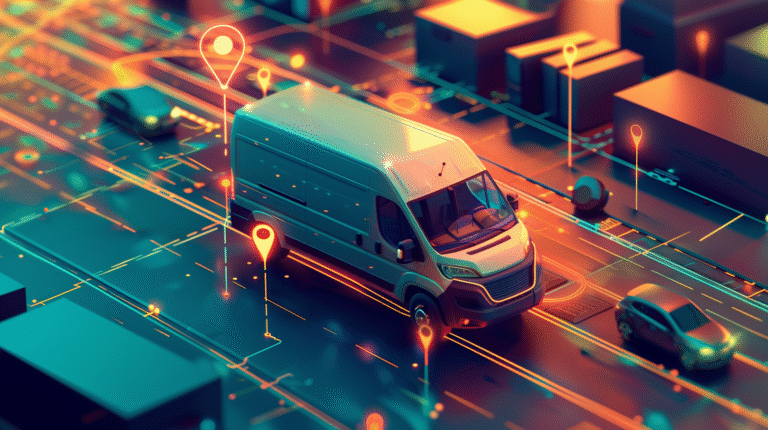
Route optimization software helps businesses minimize delivery time and reduce operational costs. These tools leverage AI-driven algorithms to find the most efficient delivery routes, avoiding traffic congestion and unnecessary detours. By optimizing routes, businesses save fuel, labor costs, and improve on-time deliveries.
Popular route optimization solutions include Routific and Onfleet, which provide real-time tracking and automated dispatching. These platforms integrate with e-commerce systems, enabling seamless logistics management. Implementing route optimization software ensures faster, more cost-effective deliveries.
2. Crowdsourced Delivery Platforms
Crowdsourced delivery platforms utilize gig workers for parcel deliveries, providing businesses with an on-demand workforce. These platforms offer scalability, allowing retailers to handle fluctuating order volumes without maintaining their own fleet.
Services like Uber Eats and DoorDash have expanded beyond food delivery to handle e-commerce shipments. By leveraging independent drivers, businesses achieve flexible, fast, and cost-efficient last-mile logistics. This model suits small and medium-sized e-commerce brands looking for quick market entry.
3. Same-Day and Next-Day Delivery Services
Same-day and next-day delivery services enhance customer satisfaction by offering rapid fulfillment. Companies like Amazon Prime, FedEx SameDay, and DHL Express specialize in expedited deliveries, ensuring that customers receive their orders within hours or the next day.
These services help e-commerce businesses compete in today’s fast-paced market. By partnering with express courier providers, retailers can meet high customer expectations and reduce cart abandonment rates due to long shipping times.
4. Micro-Fulfillment Centers (MFCs)
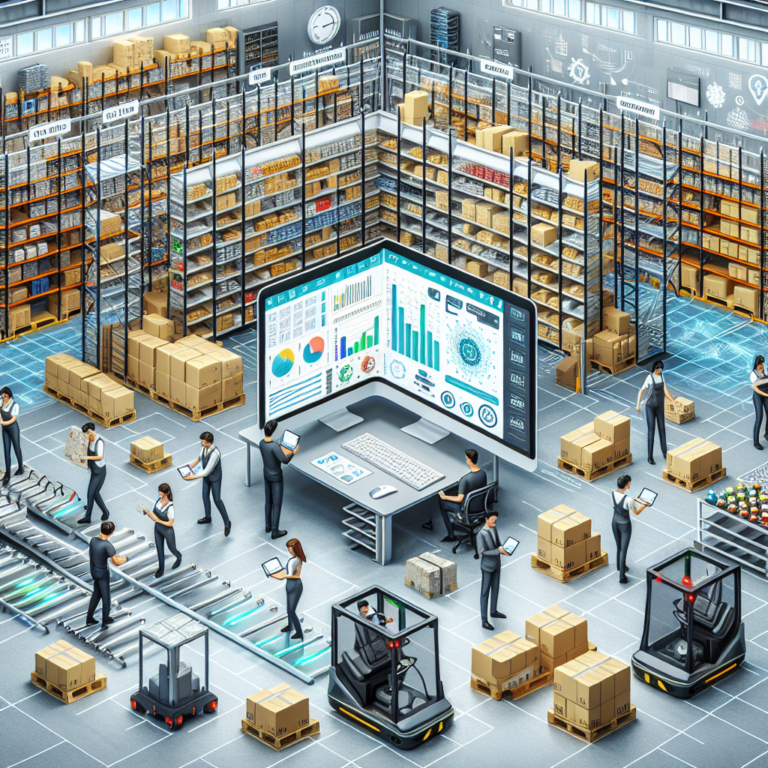
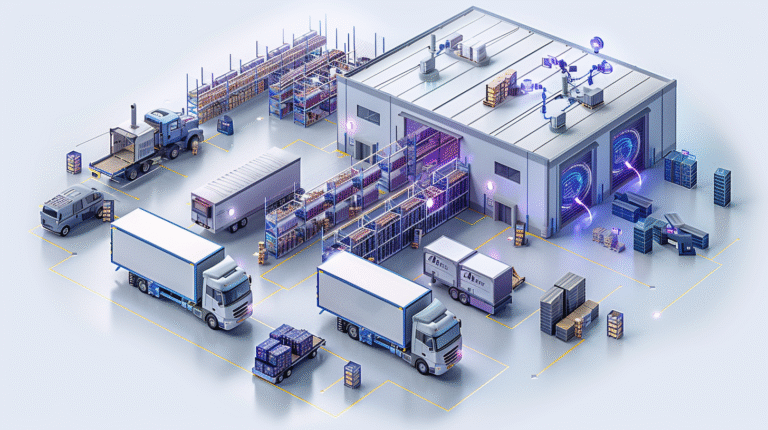
Micro-fulfillment centers (MFCs) bring inventory closer to customers, reducing delivery times and logistics costs. These small, automated storage facilities are strategically located in urban areas to support faster order fulfillment.
Retail giants like Walmart and Ocado use MFCs to enable rapid same-day delivery for online orders. By decentralizing inventory, businesses reduce delivery distances and ensure timely order fulfillment. Implementing MFCs is an effective strategy for optimizing last-mile delivery.
5. Autonomous Delivery Vehicles & Drones
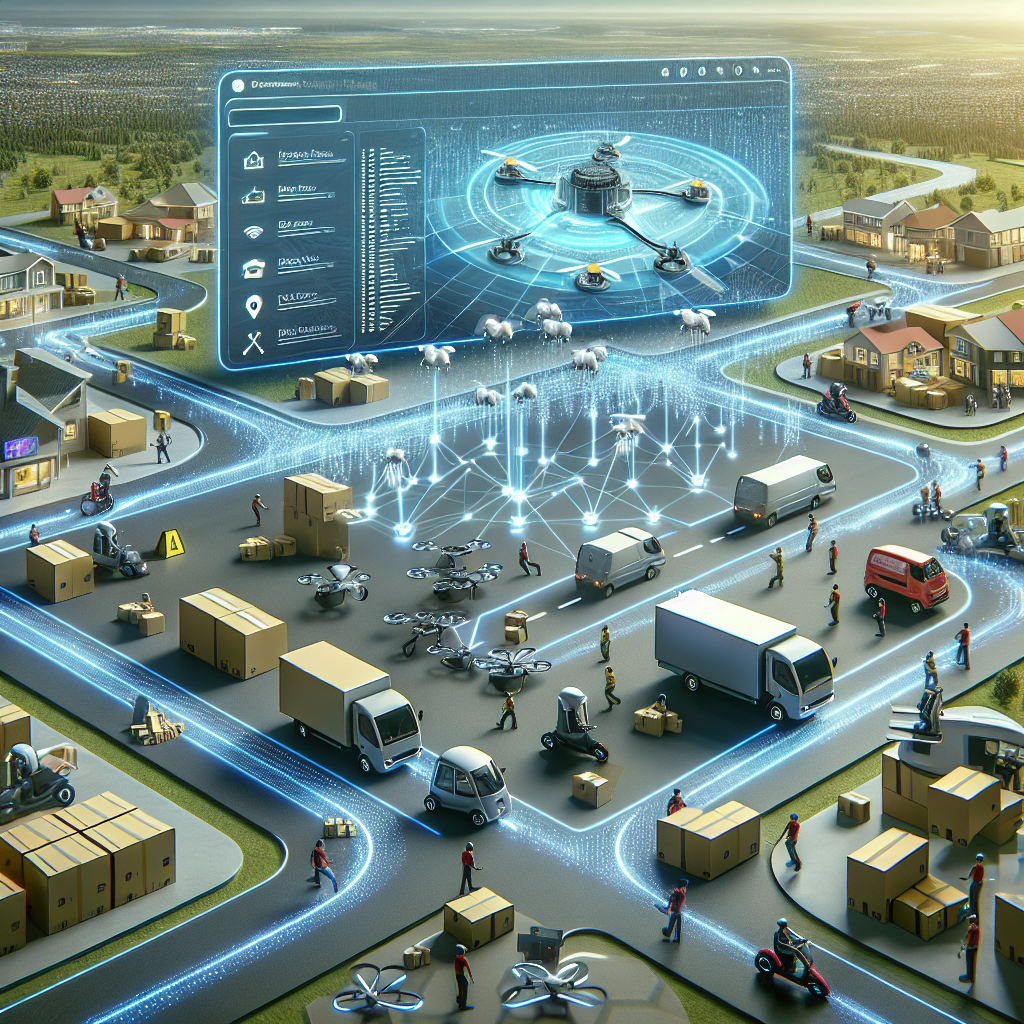
Autonomous delivery vehicles and drones are revolutionizing last-mile logistics with contactless, self-driving technologies. These innovations enable faster, more efficient deliveries while reducing reliance on human drivers.
Companies like Starship Technologies and Wing (by Alphabet) are pioneering robotic deliveries. Drones provide ultra-fast rural and urban deliveries, while autonomous ground vehicles ensure precision drop-offs. As regulatory frameworks evolve, autonomous delivery solutions will become a mainstream option for e-commerce businesses.
6. Smart Lockers & Pickup Points
Smart lockers and pickup points offer secure, convenient delivery alternatives for customers. These solutions reduce failed deliveries and improve efficiency by allowing shoppers to retrieve orders from designated locations at their convenience.
E-commerce giants like Amazon Hub and UPS Access Point have deployed locker solutions in retail stores, shopping centers, and transit hubs. These options enhance logistics efficiency while giving customers the flexibility to pick up packages anytime.
7. In-House Delivery Networks
Some businesses opt to build their own in-house delivery networks instead of relying on third-party logistics providers. This approach offers greater control over delivery operations, branding, and customer experience.
Managing an independent fleet can improve service quality and ensure consistent delivery standards. However, it also requires significant investment in personnel, vehicles, and technology infrastructure. Businesses must weigh the benefits and costs before choosing this model.
How to Choose the Best Solution for Your E-commerce Business
The ideal last-mile delivery solution depends on a business’s budget, operational needs, and customer expectations. Start by evaluating the cost implications and determining whether outsourcing or building an in-house network is feasible.
Technology integration is essential to streamline delivery logistics and enhance efficiency. Automated tracking, optimized dispatching, and real-time customer notifications can significantly improve operations.
Balancing speed, cost, and service quality is crucial for long-term success. Businesses should assess customer preferences, delivery distances, and order volume to determine the best strategy.
Conclusion
Optimizing last-mile delivery is essential for e-commerce businesses to thrive in a competitive market. Implementing solutions like route optimization software, micro-fulfillment centers, and smart lockers helps improve efficiency and reduce costs.
Each delivery solution offers unique advantages, and selecting the right one depends on business goals and logistics requirements. By investing in effective last-mile strategies, e-commerce brands can enhance customer satisfaction and drive long-term growth.